What I Wish I Knew About Nutrition as a Collegiate Athlete
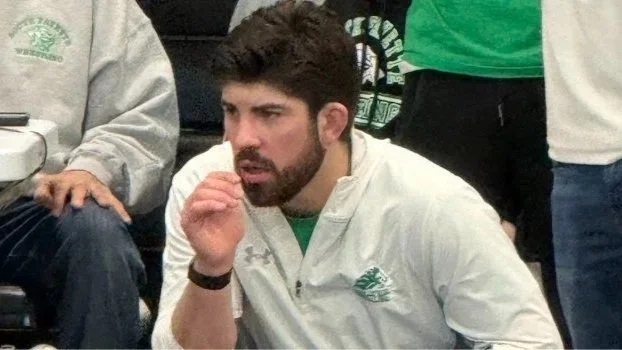
College athletics is not easy, and having limited access to nutrition professionals does not help. My name is Eli Brinsky, and I wrestled in college at the NCAA Division 1 level for 4 years. Despite being a nutrition major, there are so many things that I know now that I wish I would have known about nutrition during my time as a student athlete. Here are a few.
I wish I would have known that nutrition is a tool to support your overall health and your athletic performance, but it is not the end-all be-all for having a meaningful experience in college athletics. Yes, there are many ways that you can use nutrition to accelerate your growth and development as a student-athlete, but so many other things go into your performance.
I wish I would have known that moderation is key. It is okay to eat foods that you enjoy, even if they do not directly support your athletic goals. Going to get ice cream with your friends, family, or significant other every so often is not going to derail your progress. In fact, it will probably help you feel refreshed and will make it easier to continue eating habits that support your day-to-day needs.
I wish I would have known that there is not a set recipe for nutrition that will work for everyone. The fad diets that you see on social media are just that–FADS. They suggest a quick fix to a complicated situation. Choosing these diets will land you right back where you started. Instead, take some time to think about what your true needs are. What is your main goal? What resources do you have? Do you have access to a registered dietitian? Once you understand the resources that are in place for you as a collegiate athlete, then can you make a plan that is specific to your needs. For example, the ketogenic diet was medically developed to treat patients with seizures and epilepsy. It was not designed to serve your fueling needs as an athlete because it provides extremely low carbohydrates, which are the best fuel source for athletes.
Lastly, I wish I would have known that nutrition is a learning experience. It takes time to figure out what works for you. This process requires patience, perseverance, trial and error to learn what nutrition strategies meet your physical, mental, and athletic performance needs. To give one last piece of advice, be curious about nutrition, it is never too late to learn how you can best support your own needs.
Written by Eli Brinsky, MS, RD on 9/19/25.